The Plaid Studio / What to create / Madras
Madras pattern generator
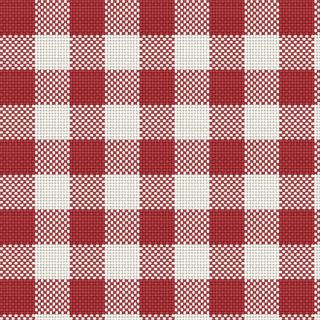
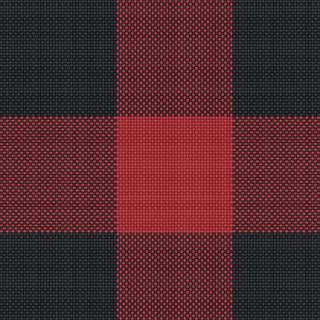
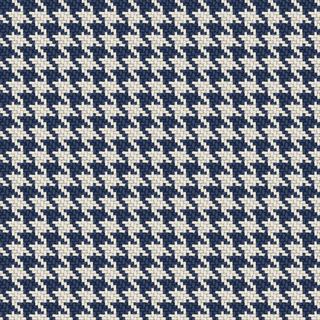
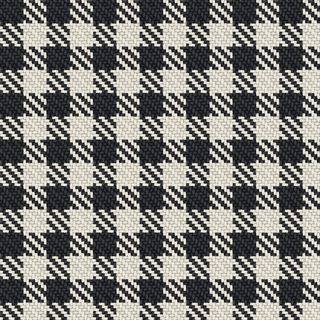
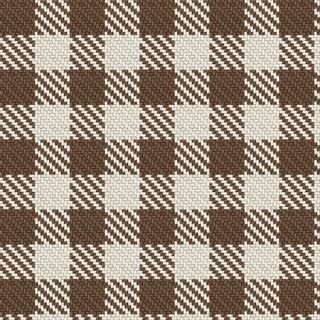
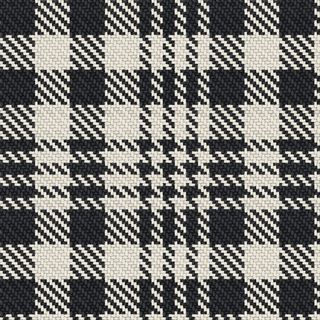
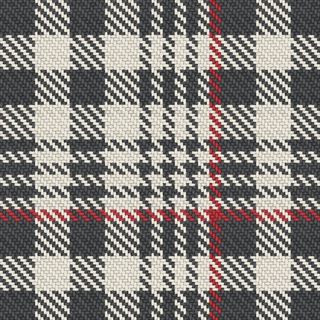
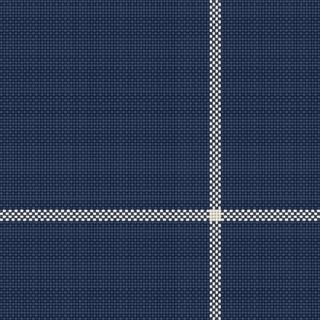
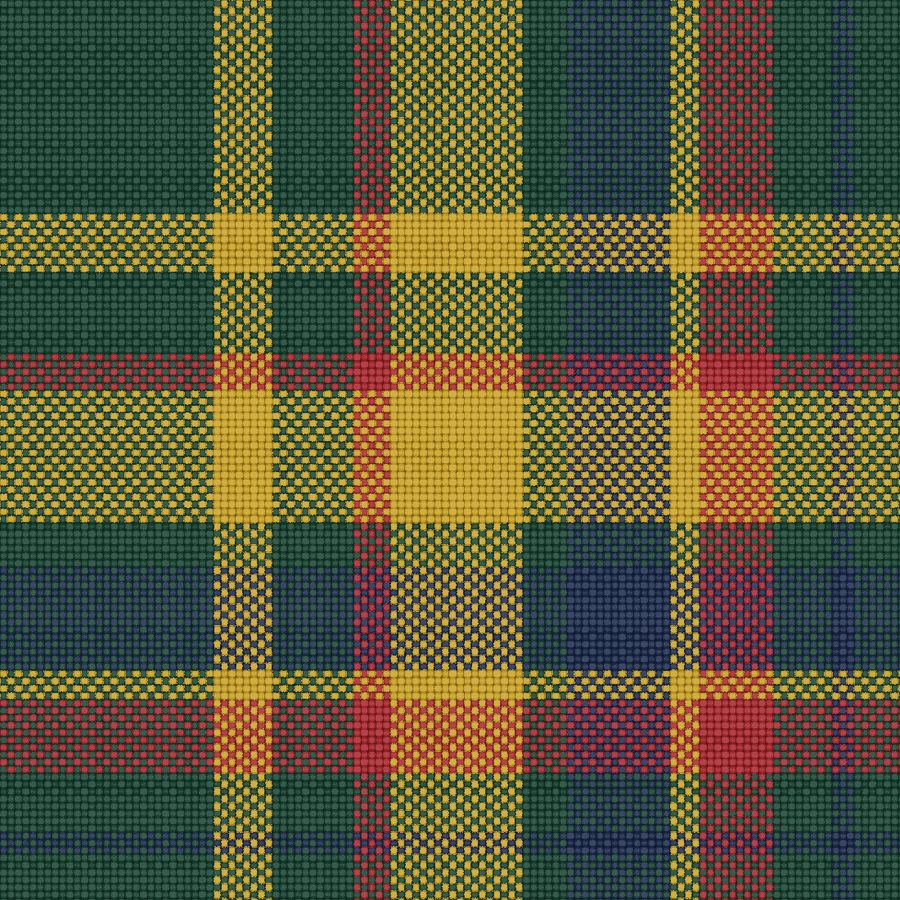
Madras is the cloth that refuses to be even. Bands of different widths in four or more colours, in plain weave, repeating without a mirror — the irregularity is the design, and it is why a madras never reads as a grid.
- Thread count
G29 F8 G11 A5 F18 G6 B14 F4 A10 G8 B3 - WeavePlain weave
- SymmetryRepeating straight round
- SeamlessYes — the tile repeats by construction, in every engine
- ExportPNG and SVG, A4 spec sheet with a centimetre ruler, WIF weaving draft
What makes it madras
Look at the sett: no two runs the same. The studio keeps it honest as cloth — every band is a whole number of threads and the tile repeats exactly — while the eye reads it as a happy accident.
Summer shirting, shorts, patchwork, quilting cottons, beach and resort prints.
How to make one
- Open the Sett engine and pick madras from the ready-made checks in the panel. The studio writes its thread count into the cloth for you.
- Put your colours on it. Choose a palette or paste your own hex codes; the ground, the field and the lines take their colours in that order.
- Set the scale in threads. The bands are threads, not pixels, so the check keeps its proportions when you change the yarn count or the repeat width.
- Export what the job needs. A seamless PNG for print-on-demand, an SVG for vector work, an A4 sheet with a ruler for a mill, or a WIF draft for a loom.
Questions
How many colours does a madras need?
Four is the usual minimum; the studio will spend as many as your palette holds. Keeping one colour as the ground is what stops it turning to mud.
Is bleeding madras different?
Bleeding madras is the same cloth in vegetable dyes that run when washed. The structure is what this page makes; the bleed is a finish.