The Plaid Studio / What to create / Gingham
Gingham pattern generator
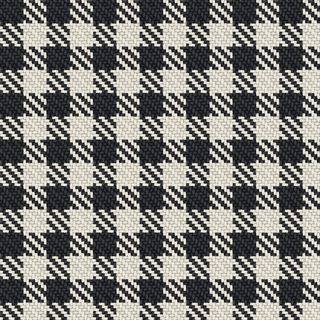
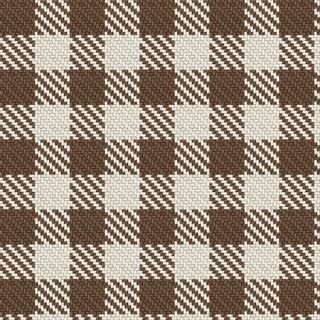
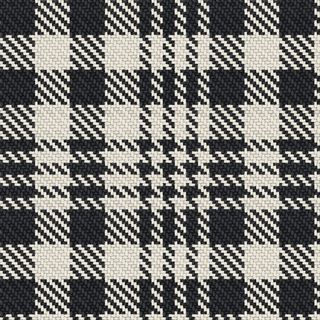
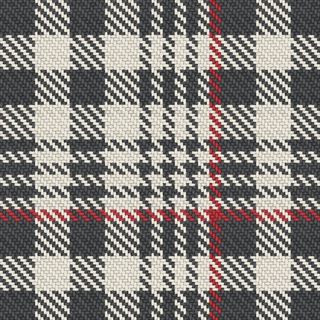
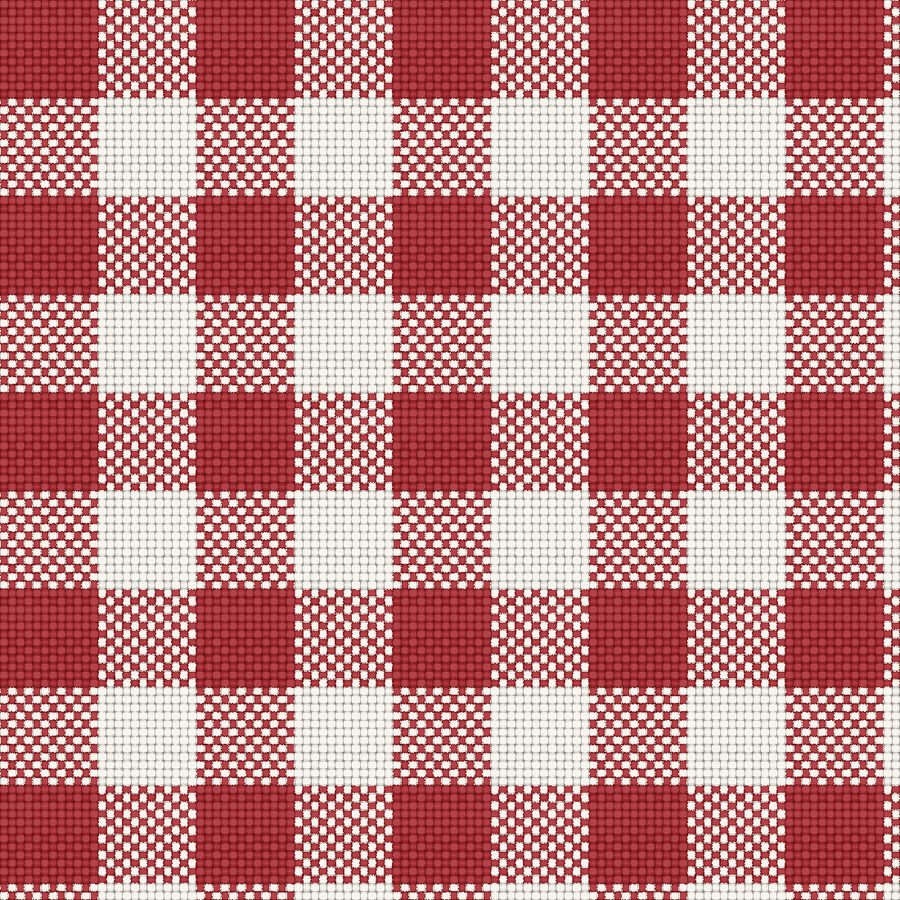
Gingham is the simplest check there is, and the one that shows a bad drawing fastest: two colours in equal bands, plain weave, warp and weft the same. Where the two bands cross you get the third tone — half one colour, half the other — and that middle square is what makes it gingham rather than a grid of stripes.
- Thread count
G12 F12 - WeavePlain weave
- SymmetryRepeating straight round
- SeamlessYes — the tile repeats by construction, in every engine
- ExportPNG and SVG, A4 spec sheet with a centimetre ruler, WIF weaving draft
What makes it gingham
The thread count is the whole pattern: twelve threads of the ground, twelve of the field, repeating. Plain weave means every thread crosses every other, so the crossing square is a true blend of the two yarns rather than a colour someone chose.
Shirting, table linen, children's wear, kitchen cloths. Small gingham reads as a texture from two paces; large gingham reads as a pattern.
How to make one
- Open the Sett engine and pick gingham from the ready-made checks in the panel. The studio writes its thread count into the cloth for you.
- Put your colours on it. Choose a palette or paste your own hex codes; the ground, the field and the lines take their colours in that order.
- Set the scale in threads. The bands are threads, not pixels, so the check keeps its proportions when you change the yarn count or the repeat width.
- Export what the job needs. A seamless PNG for print-on-demand, an SVG for vector work, an A4 sheet with a ruler for a mill, or a WIF draft for a loom.
Questions
What size should a gingham check be?
Anything from a 3 mm shirting check to a 25 mm picnic check. In the studio the band is set in threads, so at 26 ends per inch twelve threads is about 11 mm and the check is the double of that.
Is gingham the same as a vichy check?
Yes — vichy is the French name for the same cloth, and it is what the studio's word box recognises in French.