
The Plaid Studio / What to create / Stripe
Stripe pattern generator
Bands, and what you can do to them: awning, ticking, bar and block stripes, then the diagonal, the zigzag and the wave. A stripe is the least forgiving print there is — the width and the interval are the whole design, so both are settings.
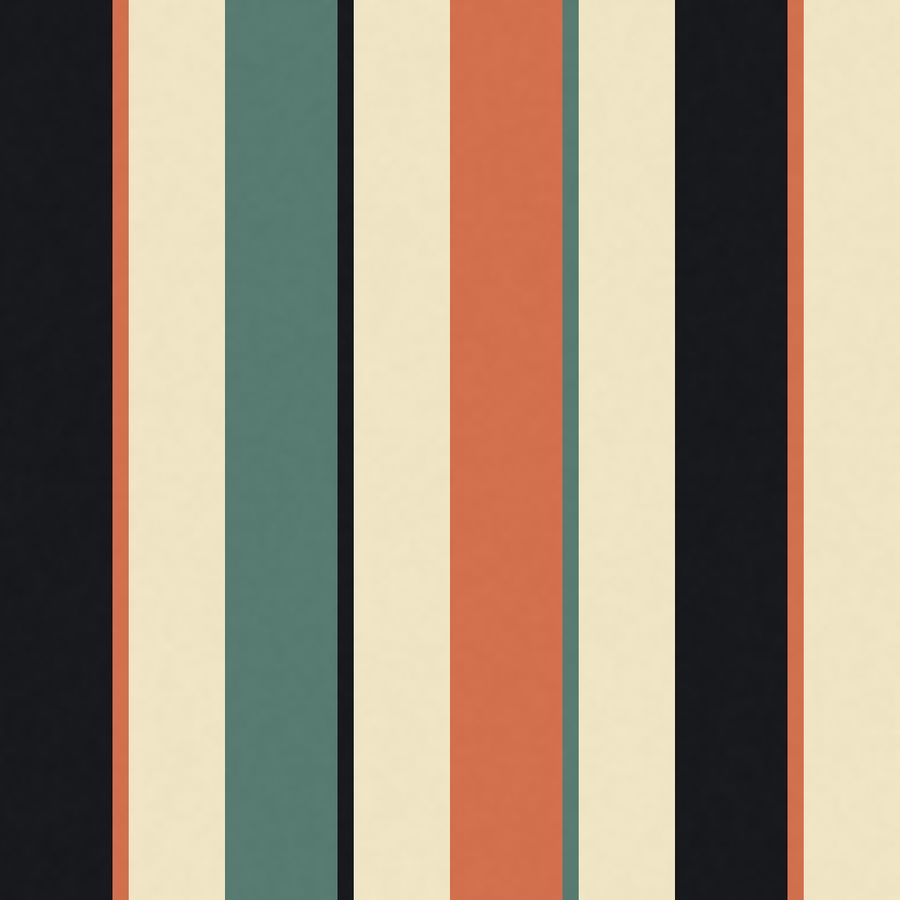
Awning Stripe — a band motif, drawn by the GeoPrint engine 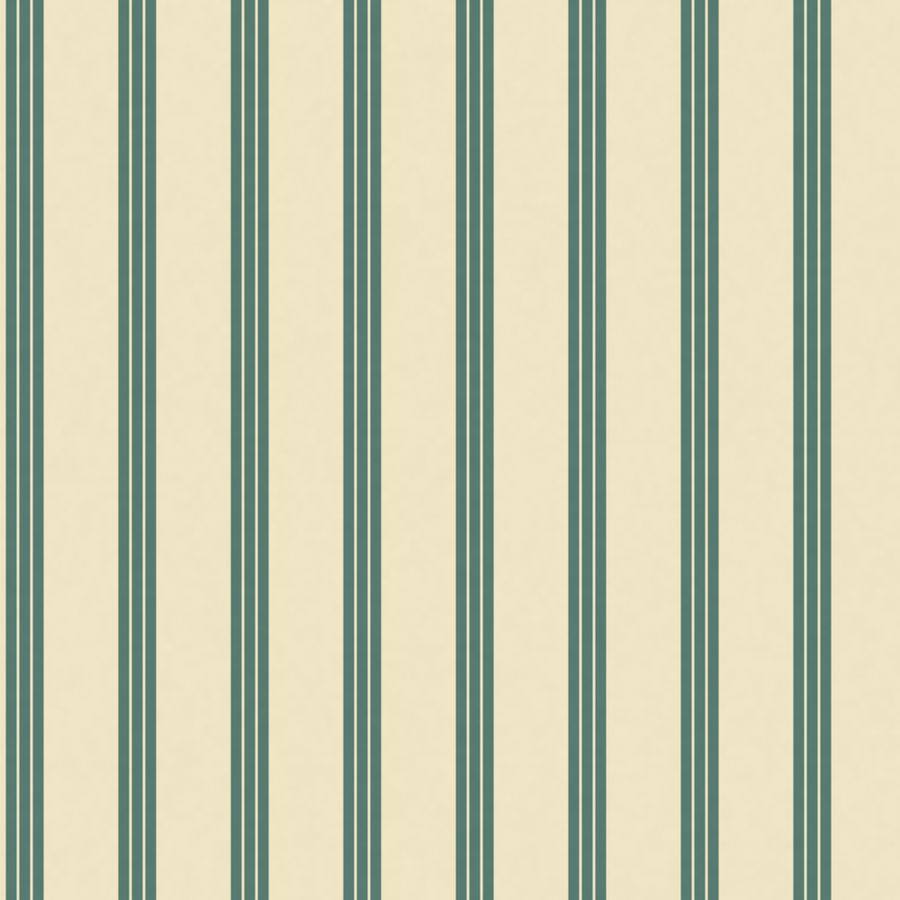
Ticking Stripe — a pinstripe motif, drawn by the GeoPrint engine 
Diagonal Stripe — a diagonal motif, drawn by the GeoPrint engine
Every pattern in the family
Read out of the engine itself — 7 patterns, each with the motif it is built from:
- Awning Stripe Band
- Ticking Stripe Pinstripe
- Diagonal Stripe Diagonal
- Ric Rac Zigzag
- Field Stripes Block
- Bar Code Bar
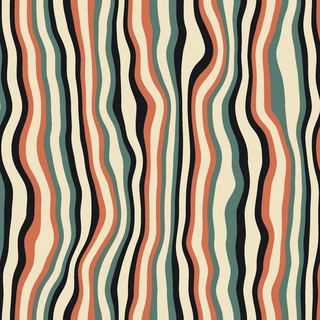
- Wavy Stripes Wave
What it is for
Shirting, awnings and deckchairs, bedding, packaging, and the ground for a floral to sit on.
How to use it
- Open GeoPrint and pick the family, then the pattern — or describe what you want in a few words and let the engine choose.
- Put your palette on it. The inks come from the palette, so one pattern gives a whole range without redrawing anything.
- Set the repeat width in centimetres and check it against the ruler on the stage: what you see is the size it prints.
- Export a seamless tile as PNG or SVG, or an A4 sheet with a centimetre ruler for a printer.
Questions
How many stripe patterns are there?
7 in this family, listed above, out of 168 in the GeoPrint engine. Each one takes your palette, your scale and your repeat size, so the count is the starting point rather than the limit.
Are the patterns really seamless?
Yes, by construction: the pattern is sampled on a torus, so the tile meets itself exactly at every edge. Nothing is cropped or mirrored to fake a join.
Can I set the repeat size in centimetres?
Yes. The repeat width is a setting, the ruler along the stage measures it, and the export carries it — which is what a printer asks for.
What does it cost?
Looking is free on every plan. Exporting a GeoPrint tile is part of Pro and Studio; the free tier exports from the Sett engine, and no plan puts a watermark on a file.
 Textile
 Geometric
 Deco
Deco Modern
 Abstract
 Wallpaper
 Organic
 Circles
 Nature