
The Plaid Studio / What to create / Watercolour
Watercolour plaid pattern generator
A plaid painted instead of woven: your stripes laid down wet and loose on textured paper, with translucent bands, soft edges and the paper showing through. It is still a seamless repeat, and every colour in it is yours to change.
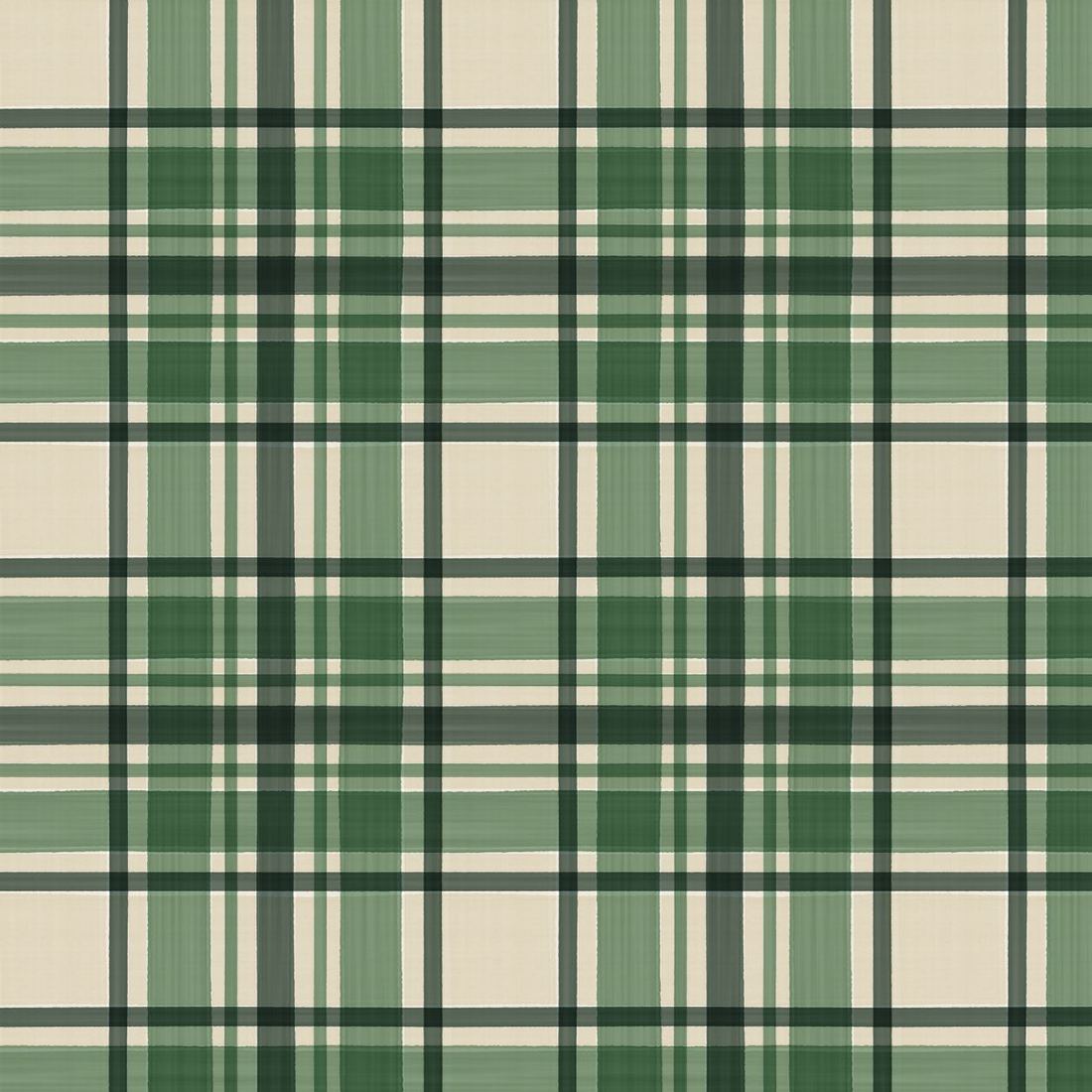
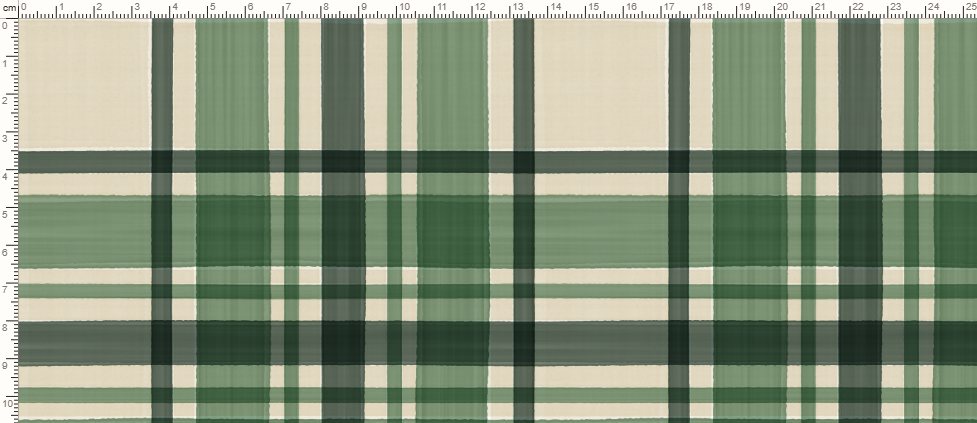
- What it makesPlaids, checks, tartans and stripes, painted in watercolour
- Starts fromA thread count or a description in words, the same design the Sett engine weaves
- BrushEight controls: pigment, hand, pressure, edge tooth, pooling, streak, paper and gap
- SeamlessYes: the stage is a seamless tile, with a ruler in real centimetres
- ExportPNG at 72, 150, 300 or 600 dpi, redrawn at the export size
- On a productPreview on a shirt, trousers, a cushion, a scarf or a bolt of cloth
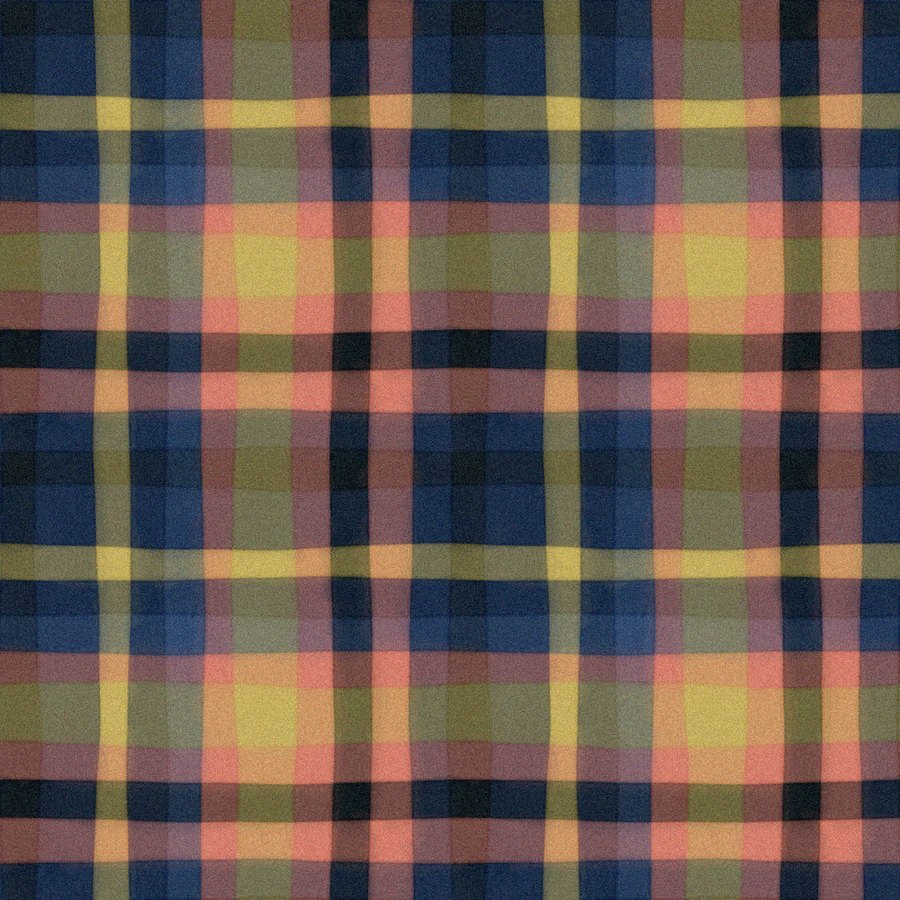
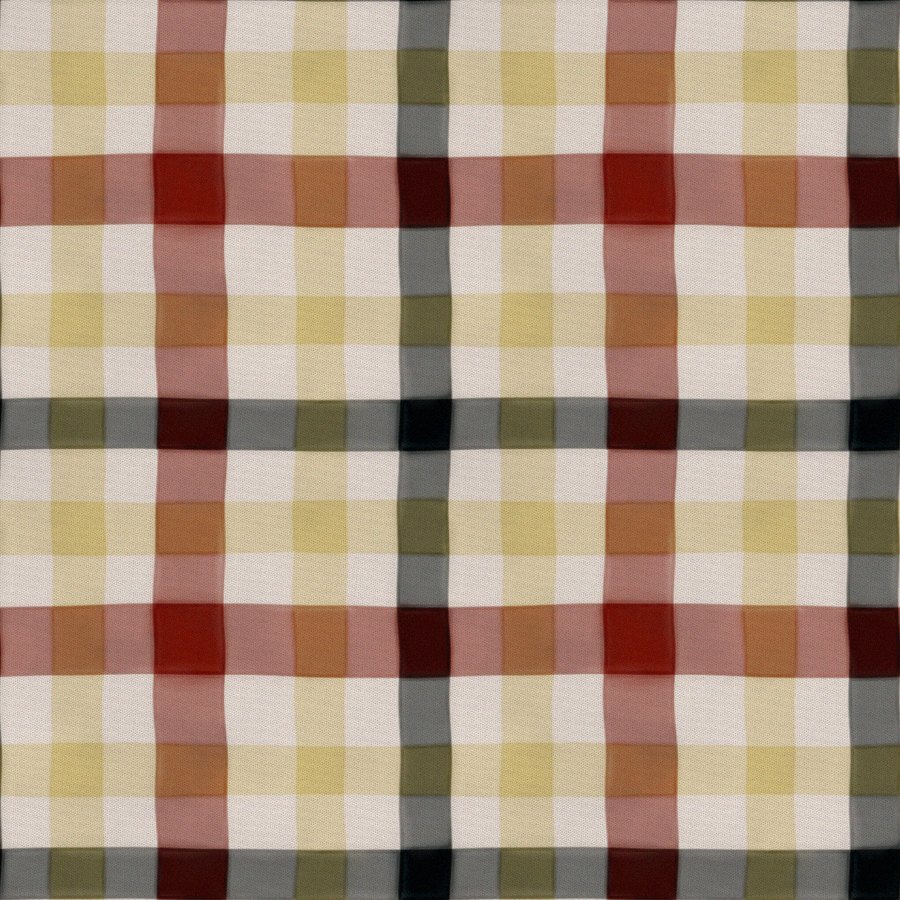
Four painted plaids from the engine
Each of these is one tile shown two by two, so the repeat can be seen. The stripes differ; the hand is the same engine.
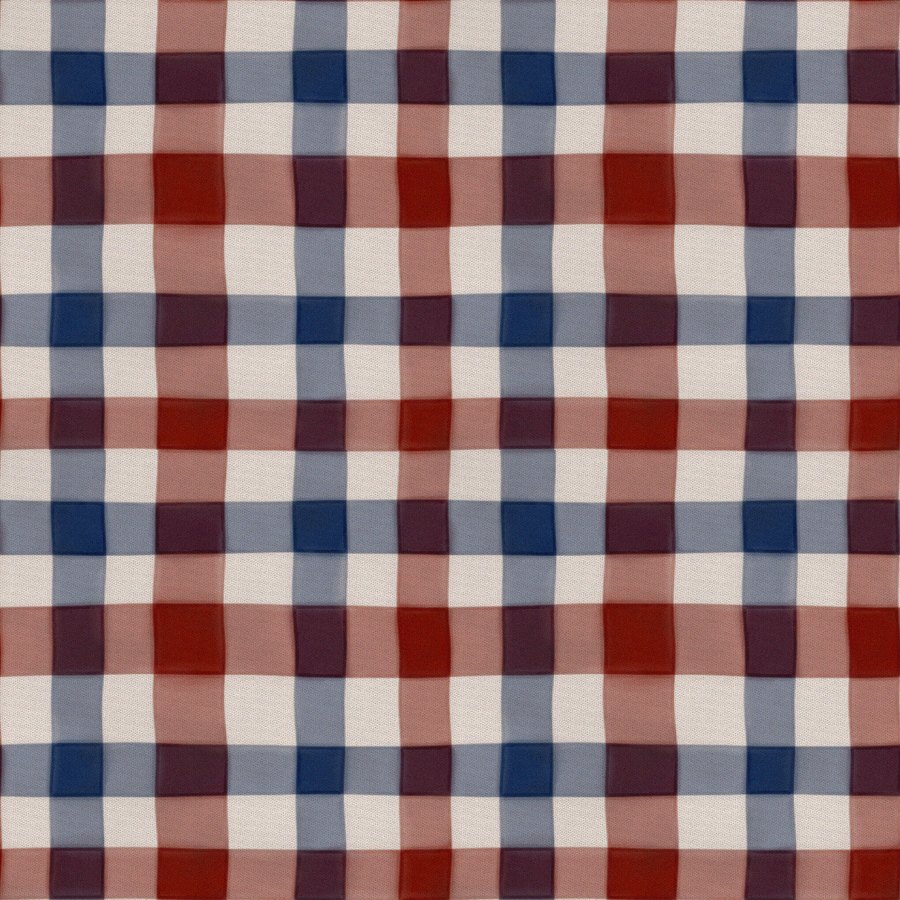
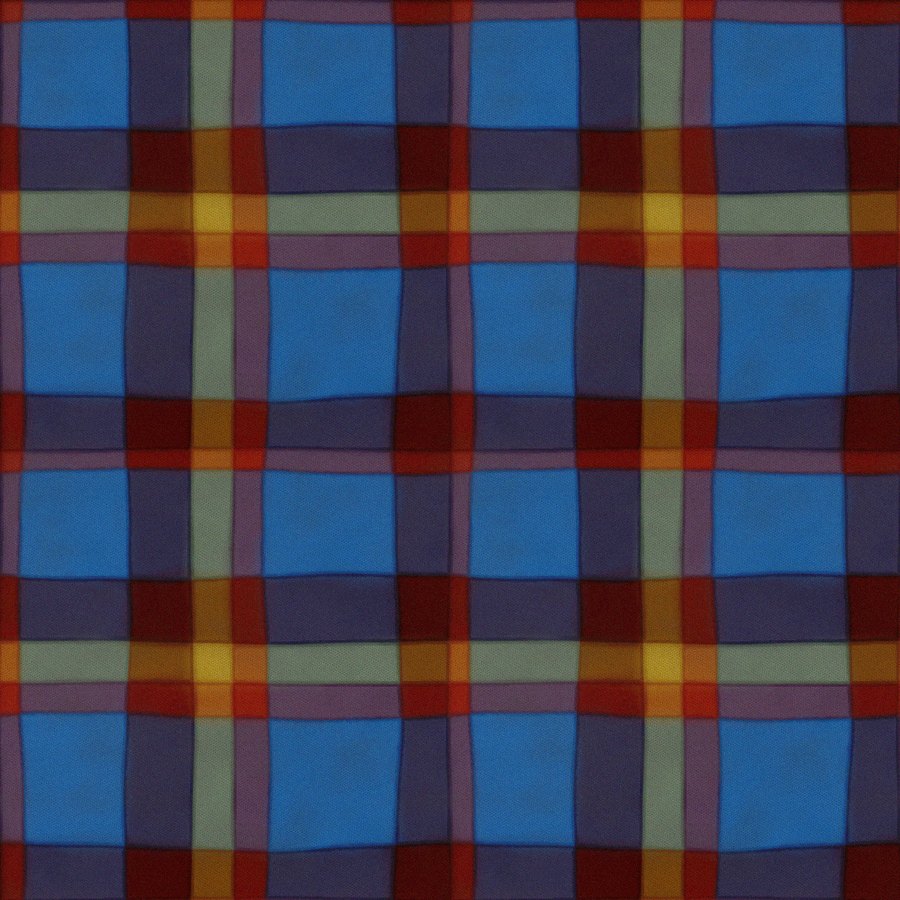
How a watercolour plaid is built here
- Set the stripes. Type a thread count, pick a ready-made check, or describe it in words — “navy and red tartan, wet and loose, textured paper”.
- Choose the colours. They come from your palette, so one set of stripes gives a whole range of colourways.
- Set the brush. Pigment and pooling decide how heavy the wash is; hand and pressure decide how much it looks pulled by a person; gap leaves bare paper between strokes.
- Set the repeat in centimetres and export a seamless tile at the resolution your printer asks for.
The brush, control by control
- PigmentHow much colour is in the wash, from a tint the paper shows through to nearly the colour itself
- HandHow far the stroke wanders off its line, like a brush pulled by hand
- PressureHow much the stroke swells and thins along its length
- Edge toothThe fine raggedness the paper leaves along the edge of a stroke
- PoolingPigment gathering along the edge where the wash dried
- StreakBrush streaks along the stroke
- PaperThe sheet's tooth and fibre, and how much pigment settles into it
- GapPaper left bare between strokes, which is what makes them read as strokes
What people use it for
Home décor, stationery, wrapping paper and apparel prints that want a plaid without the look of technical cloth: softer, more editorial, closer to painted fabric than woven. It is a common choice for print-on-demand shops, because a painted check reads well on a mug or a cushion at sizes where a fine woven texture would turn to noise.
Questions
What is a watercolour plaid?
A plaid painted rather than woven: the same crossing stripes, laid down as translucent washes on paper. Where two washes cross the colour deepens, the way paint does, instead of blending thread by thread.
Is the repeat seamless, with edges that soft?
Yes. The stage shows a seamless tile and the painting repeats edge to edge, so the export meets itself on every side.
Can I turn a woven plaid into a painted one?
Yes. Watercolour reads the same design as the Sett engine, so the stripes, thread counts, colours and pivots carry across. Build the plaid once and switch the hand.
What sizes can I export?
A PNG at 72, 150, 300 or 600 dpi. The painting is redrawn at the export size rather than enlarged, so the brush marks stay sharp at print size.
What does it cost?
Looking is free. Exporting a Watercolour design starts on the Creator plan; the free tier exports from the Sett engine, and no plan puts a watermark on a file.